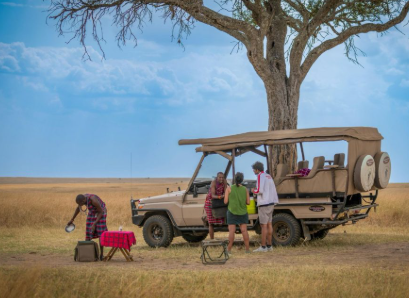

A safari is often imagined as a single extraordinary moment: a herd crossing the road, a predator emerging from grass, or an elephant appearing beside a waterhole. Planning the trip, however, involves less dramatic decisions that strongly influence those experiences. The route, pace, accommodation, and people sharing the vehicle all deserve attention before a booking is made.
First-time visitors do not need to become wildlife experts. They need a clear idea of what they want from the holiday and a realistic understanding of how each proposed itinerary works. Starting with questions makes the options easier to compare.
For travellers researching Safari Africa options, World Adventure Tours provides safari itineraries to explore. Use published programmes to identify possibilities, then ask how the arrangements match your dates, interests, and comfort preferences. A trip title alone cannot explain what daily life on the journey will feel like.
Decide what matters most
Describe your priorities without naming destinations first. Perhaps you want time for photography, a family experience, or comfortable evenings after active days. Someone fascinated by landscapes may value a different pace from a traveller hoping to observe particular animal behaviour.
Agree on these priorities with your companions. Differences are easier to accommodate before the itinerary is fixed. Choose a small number of essentials and identify where you can remain flexible. This creates a useful brief when requesting advice or comparing proposals.
Read the journey between the highlights
An itinerary can list attractive places while revealing little about the time spent moving between them. Ask for approximate travel arrangements, including arrival transfers and movements between overnight stops.
Distinguish wildlife-viewing time from transfers and other activities. Clarify whether a stated day includes an international arrival or departure. These details help you understand the usable holiday rather than simply counting nights. If the proposed pace feels demanding, discuss fewer stops or additional nights instead of assuming that more destinations always mean better value.
Understand the vehicle arrangements
Ask whether your safari uses a private vehicle or a shared departure, how many passengers are expected, and what seating arrangements apply. Explain any mobility requirements or difficulty spending extended periods in a vehicle.
Photographers should discuss equipment and luggage before departure. Families should ask about the suitability of the programme for their children’s ages. The objective is to establish practical expectations, not to demand a particular wildlife encounter. The guide must retain flexibility to respond to conditions and follow the rules of the places visited.
Choose accommodation around the schedule
Look beyond attractive room photographs. Ask where the accommodation sits in relation to the planned activities and what services are included. Clarify meal arrangements, room configuration, and any requirements that matter to your group.
Check whether named properties are confirmed or examples subject to substitution. If alternatives may be used, ask how they are selected. Accommodation should support the journey you are buying. A particular feature may be less valuable if you arrive too late to enjoy it or leave before breakfast on several mornings.
Compare the complete price
Request a written explanation of inclusions and exclusions. Identify transfers, meals, activities, park-related charges, and any optional additions. Check the terms applying to payments, amendments, and cancellation before committing.
Avoid treating a headline starting price as the cost of your exact departure. Ask for a dated quotation covering your group and chosen arrangements. Keep an allowance for personal spending and unplanned changes. A clear total is more useful than a cheap-looking figure whose missing elements become apparent after booking.
Before booking, also ask who provides support if travel arrangements change during the trip. Keep that contact available offline and share the relevant details with your companions. Knowing the agreed support process allows you to prepare sensibly without spending the holiday trying to manage every possible variation yourself. Confirm arrangements for any independently booked segments separately.
See also: How to Create Transparent Motion Assets That Work Across Platforms
Arrive prepared to observe
Confirm document requirements through the relevant official sources and obtain personalised health advice where needed. Follow the operator’s packing guidance and check baggage conditions for every booked transport segment. Keep essential items accessible during transfers.
During the safari, ask questions and allow time for scenes to develop. Wildlife sightings are never a guaranteed checklist, and a quiet stretch can still offer interesting landscapes, tracks, or conversations. Good planning creates the practical conditions for enjoyment; attention and patience give the experience its depth. Leave room for the unexpected rather than measuring every day against a photograph collected before you travelled.